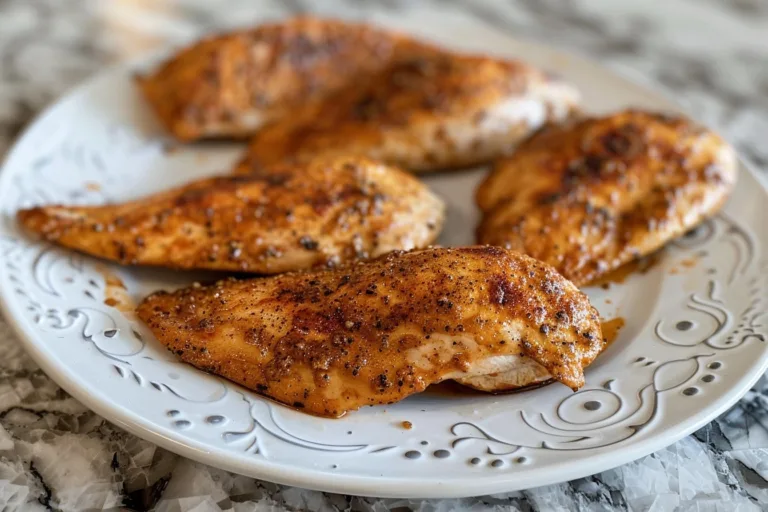
A frozen chicken breast recipe provides an efficient way to prepare juicy, tender poultry in your pressure cooker without needing advance thawing. Utilizing the natural moisture locked inside, this method yields perfect results for meal prep, salads, or quick dinners. By relying on high-pressure steam, you penetrate the frozen density of the meat while locking in essential juices and savory flavors.
Recipe Overview
| Attribute | Details |
|---|---|
| Prep Time | 0 minutes |
| Cook Time | 15 minutes |
| Total Time | 25 minutes (including pressure buildup) |
| Servings | 4 servings |
| Difficulty | Easy |
| Cuisine | Modern American |
Why This Recipe Works
This approach succeeds because the rapid heat transfer of the pressure cooker effectively cooks through dense frozen cells faster than any other method. I have discovered that this technique eliminates the common struggle of remembering to move poultry from the freezer to the refrigerator the night before cooking.
Using broth rather than plain water adds a deep savory dimension that infuses the meat during the pressure-cooking process. You save time and minimize cleanup by keeping the entire cooking process contained within a single vessel.
Ingredients
| Ingredient | Quantity | Notes |
|---|---|---|
| Frozen Chicken Breast | 4 pieces (approx 1.5 lbs) | Boneless, skinless |
| Chicken Broth | 1 cup | Low-sodium organic preferred |
| Seasoning Blend | 1 tablespoon | Use salt, pepper, garlic powder, and paprika |
| Olive Oil | 1 teaspoon | Helps prevent sticking |
Step-by-Step Instructions
Preparation and Pressure Cooking
- Place the trivet or rack inside your pressure cooker insert.
- Pour one cup of chicken broth into the bottom of the pot.
- Arrange the frozen chicken breasts on the rack in a single layer to ensure even heat circulation.
- Drizzle the olive oil over each breast to help the seasonings adhere.
- Sprinkle the seasoning blend evenly across all visible surfaces of the frozen meat.
- Seal the pressure cooker lid and set the valve to the sealed position.
- Cook on high pressure for 15 minutes for standard breasts or 18 minutes for very thick pieces.
- Execute a natural release of pressure for 10 minutes before manually venting the remaining steam.
Chef Tips for Perfect Results
- Ensure chicken breasts are not frozen together in a solid block and can be separated slightly before or during cooking.
- Use room temperature broth to help the pressure cooker come to temperature slightly faster than cold liquid.
- Check the internal temperature with a digital meat thermometer to ensure it reaches a safe 165 degrees Fahrenheit.
- Rest the meat for five minutes on a cutting board before slicing to retain maximum internal moisture.
- Utilize the leftover flavorful cooking liquid as a base for quick pan gravies or soup stocks.
Common Mistakes to Avoid
Failing to use a trivet often results in the bottom surface of the chicken burning or becoming tough due to direct contact with the heating element. Always ensure you have sufficient liquid to create pressure; using too little will trigger an overheat warning on your device. Overcooking the poultry creates a dry texture regardless of the starting temperature, so stick to the recommended timing. Skipping the short resting period causes the juices to escape immediately upon slicing, leading to a loss of succulence.
Variations and Substitutions
| Ingredient | Substitution | Impact on Flavor |
|---|---|---|
| Chicken Broth | Vegetable Broth | Provides a lighter, earthy undertone |
| Garlic Powder | Fresh Minced Garlic | Adds a more intense, aromatic punch |
| Paprika | Smoked Paprika | Introduces a subtle wood-fired essence |
Serving Suggestions and Pairings
This protein serves as a versatile staple for healthy grain bowls topped with fresh avocado and cilantro. It pairs excellently with roasted sweet potatoes or steamed broccoli for a balanced weeknight meal. You can shred the finished meat for quick taco nights or mix it into a hearty green salad for a lean lunch option.
Storage and Reheating
| Method | Duration | Instructions |
|---|---|---|
| Refrigerator | 3-4 days | Keep in an airtight container |
| Freezer | 2 months | Store in a vacuum-sealed bag |
| Reheating | 2-3 minutes | Use a microwave on medium power with a splash of water |
Nutritional Information
| Nutrient | Amount per Serving |
|---|---|
| Calories | 180 |
| Protein | 35g |
| Fat | 3g |
| Carbohydrates | 1g |
| Sodium | 250mg |
Approximate values.
Frequently Asked Questions
Can I use frozen chicken tenders instead of breast?
You can substitute tenders, but you must reduce the cook time to 8-10 minutes under pressure to avoid overcooking. Smaller pieces cook significantly faster than thick breasts, so timing adjustments are critical.
What is the minimum liquid required for this technique?
The standard requirement is one cup of liquid to allow the pressure cooker to build steam safely. This ensures the unit functions correctly without triggering safety shutdowns due to insufficient pressure.
How do I know the chicken is fully cooked?
The meat is safely cooked when an instant-read thermometer inserted into the thickest part reaches 165 degrees Fahrenheit. Visual cues like opaque white color throughout are secondary to using a meat thermometer for food safety.
Can I add vegetables to the pot at the same time?
Avoid adding vegetables like carrots or potatoes alongside frozen chicken, as they require significantly less time to cook and will become mushy. Cook your vegetables separately to ensure the ideal texture for both components.
Should I thaw the chicken halfway first?
Do not thaw the chicken halfway, as this places the meat in the temperature danger zone where bacteria can grow. Always move the item directly from the freezer to the pressure cooker to maintain food safety standards.
Mastering this frozen chicken breast recipe allows you to provide nutritious meals even on your busiest days. By following these precise pressure-cooking techniques, you ensure that even when you forget to plan ahead, a high-quality dinner remains within reach. Embrace the convenience of your pressure cooker and experiment with different seasoning blends to keep your poultry dishes exciting and flavorful throughout the week.
Print
Frozen Chicken Breast in a Pressure Cooker
- Cook Time: 15
- Total Time: 25
- Yield: 4 servings 1x
- Category: Trending
- Method: Pressure Cooking
- Cuisine: Modern American
- Diet: Halal
Description
Prepare succulent, tender chicken breasts directly from the freezer using this efficient pressure cooker method. By utilizing trapped moisture and high-pressure steam, this recipe ensures perfectly cooked poultry without the need for advance thawing. It is an ideal solution for quick dinners or meal prep, infusing deep savory flavors directly into the meat using chicken broth and a custom seasoning blend, saving you time while keeping cleanup to a minimum.
Ingredients
4 boneless, skinless frozen chicken breasts (approx 1.5 lbs)
1 cup low-sodium chicken broth
1 tablespoon seasoning blend (salt, pepper, garlic powder, and paprika)
1 teaspoon olive oil
Instructions
Place the trivet or rack inside your pressure cooker insert.
Pour one cup of chicken broth into the bottom of the pot.
Arrange the frozen chicken breasts on the rack in a single layer to ensure even heat circulation.
Drizzle the olive oil over each breast to help the seasonings adhere.
Sprinkle the seasoning blend evenly across all visible surfaces of the frozen meat.
Seal the pressure cooker lid and set the valve to the sealed position.
Cook on high pressure for 15 minutes.
Execute a natural release of pressure for 10 minutes before manually venting the remaining steam.
Notes
Ensure chicken breasts are not frozen together in a solid block and can be separated slightly before or during cooking. Use room temperature broth to help the pressure cooker come to pressure more efficiently.
Nutrition
- Serving Size: 1 breast
- Calories: 220
- Sugar: 0g
- Sodium: 350mg
- Fat: 5g
- Saturated Fat: 1g
- Carbohydrates: 1g
- Fiber: 0g
- Protein: 42g
- Cholesterol: 110mg